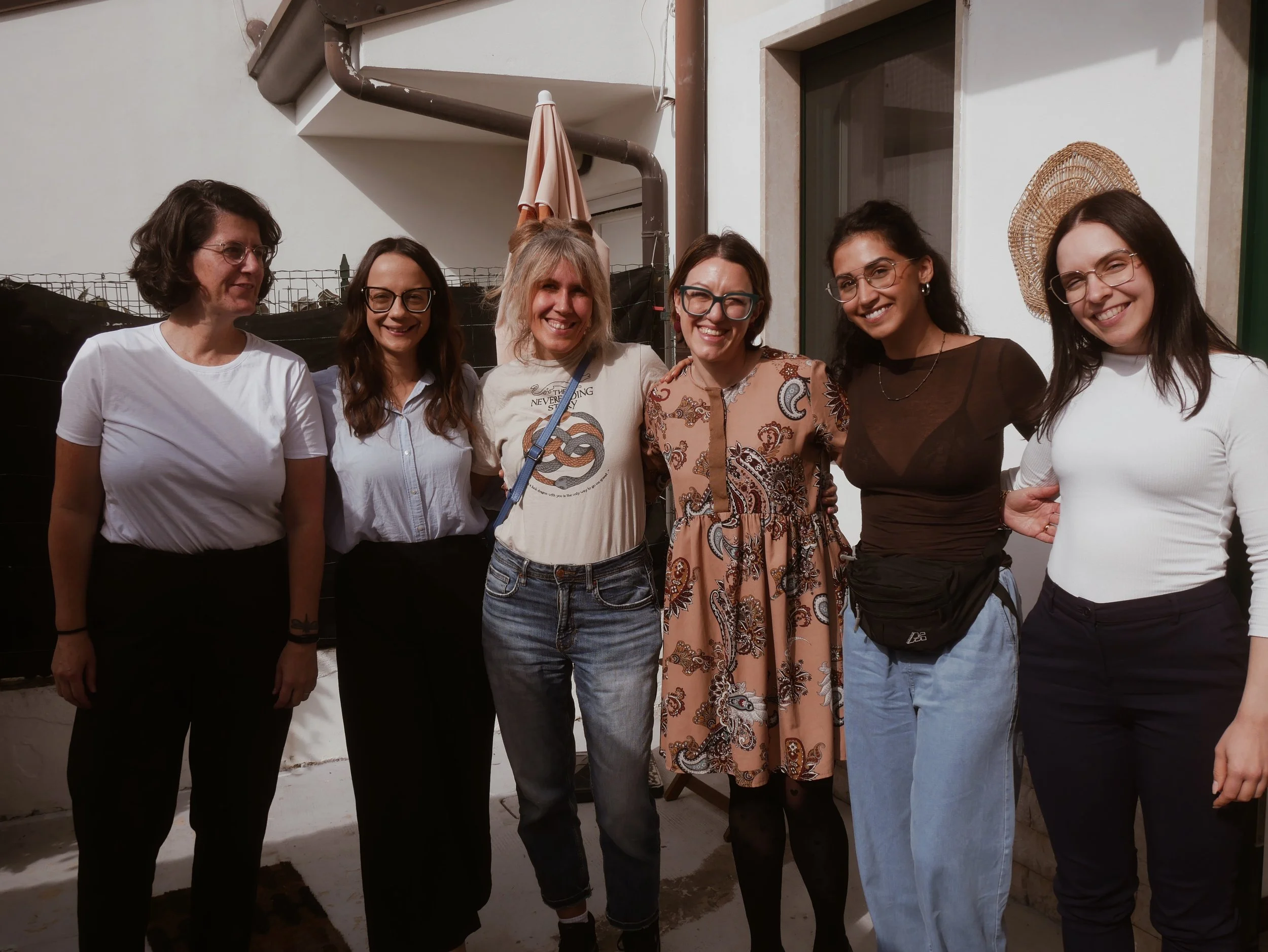
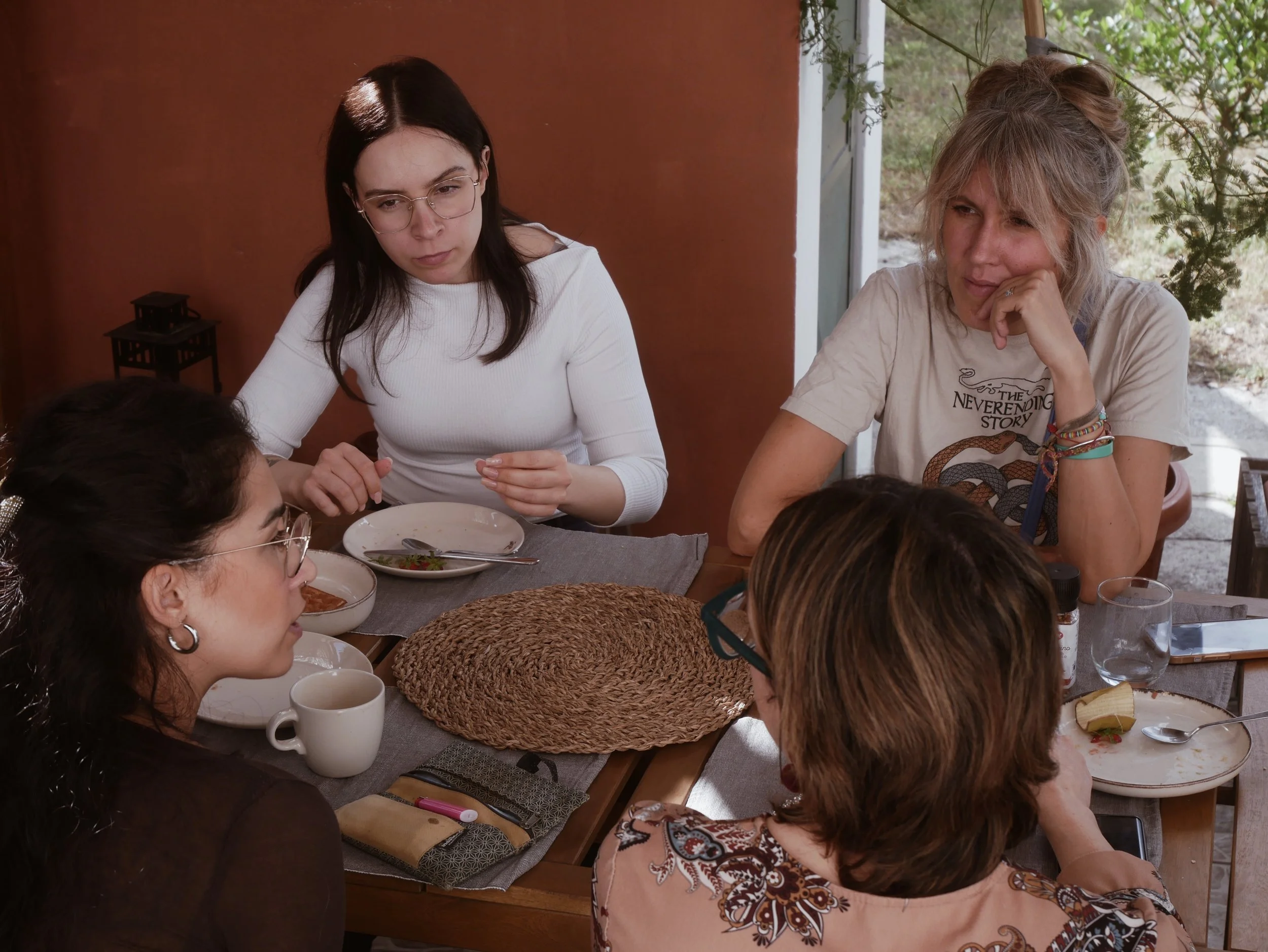
A couple of days ago I texted Collettivo Onda’s local facilitators and invited them for a spontaneous brunch in my garden, in Monfalcone.
I have held a vision of bringing together this incredible group of women who went from strangers to co-leaders, and in only a year helped me reshape the idea of what is possible in what feels like an impossible town.
It’s a sunny morning in October, the dining table in my house’s terrace in Italy is almost ready to welcome our guests. Beatrice is already here, she is helping set up the mugs and the dishes on the dining table, while Laura gets ready with coffee, a high-demand comfort drink for all of us, making the first moka.
While I wait for the first guests to arrive, I set up the camera in a corner of the living room, where the brunch buffet is ready, hoping to capture some more spontaneous fragments of today’s brunch.
I told Beatrice, Elena, Alice, Ada and Sara that this would be a very informal meetup, a chance to finally meet in person, all together, for the first time since we all, in one way or another, started to work together with Collettivo Onda. But I also shared that this Sunday brunch was meant to turn into a collective interview, an open conversation on record to capture their experiences, reflections and influence as women activists at the frontline of democracy resilience.
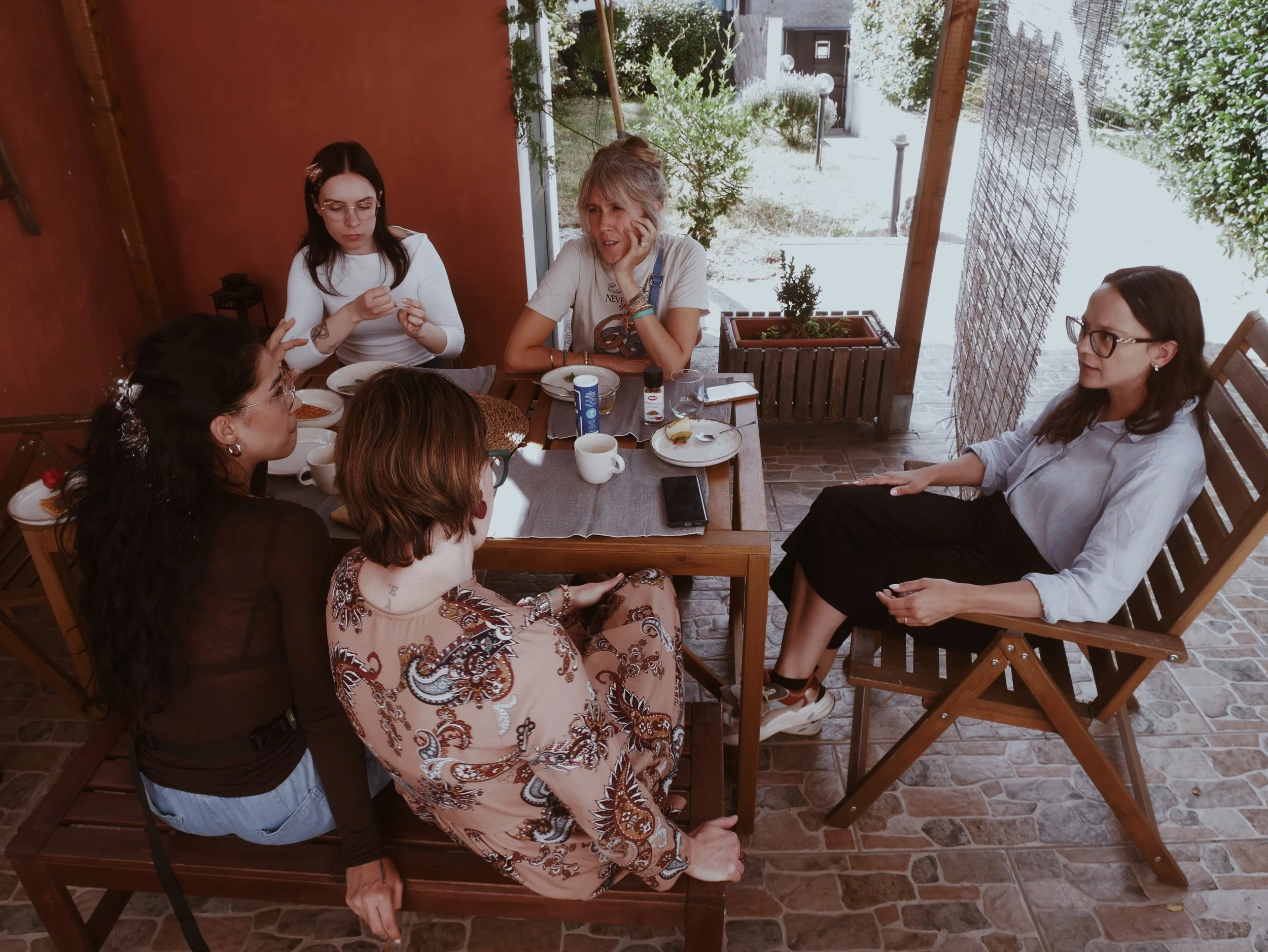
This was my first spotlight for Queering the Frontline project. I myself didn’t know exactly how the process was going to unfold. We all stepped into this with an adventurous spirit, creativity and fun being the driving force. And so, fluctuating between curiosity and skepticism, my guests were brave enough to show up, sit around my garden’s table and overcome the intimidating look of the camera to open up about their role, purpose, and valuable role in building stronger communities in Monfalcone.
During the interview, when I referred to Collettivo Onda’s facilitators as “local democracy leaders and activists”, they all giggled. They found the label unfamiliar, perhaps too big for what they identified their role to be. But I kept using it, intentionally. This is the whole point why Queering the Frontline exists: every day people, in local and hyperlocal contexts, feel like their commitment is a small endeavor. With these spotlights we want to prove them it’s not. What they do is really the work democracy resilience needs today.
At Commonground Initiatives, we want to shift the narrative around local residents involved in everyday community actions from more than just “people who care”. We want to make the value of their commitment visible, take it to the headlines, make it seen through a much more valuable lens, for themselves first, and the world who needs to see it exactly as big as it is.
Five Women, Five Waves of Everyday Change
Beatrice Sgorbissa is a medical doctor and community advocate with extensive experience in community health, humanitarian response, and the protection of displaced and marginalised populations. In 2022, she worked in a community health clinic supporting Ukrainian refugees, before leading INTERSOS's Italian mission and working alongside migrant communities in vulnerable contexts across Palermo and Foggia. Her work is anchored in the belief that health, dignity, and belonging are crucial conditions for communities to thrive, and that resilient communities cannot continue being such without care and participation being accessible experiences. Today, she leads Collettivo Onda and Commonground Initiatives' Italian programme, contributing with her experience in humanitarian action and her commitment to building more inclusive, connected, and resilient local communities.
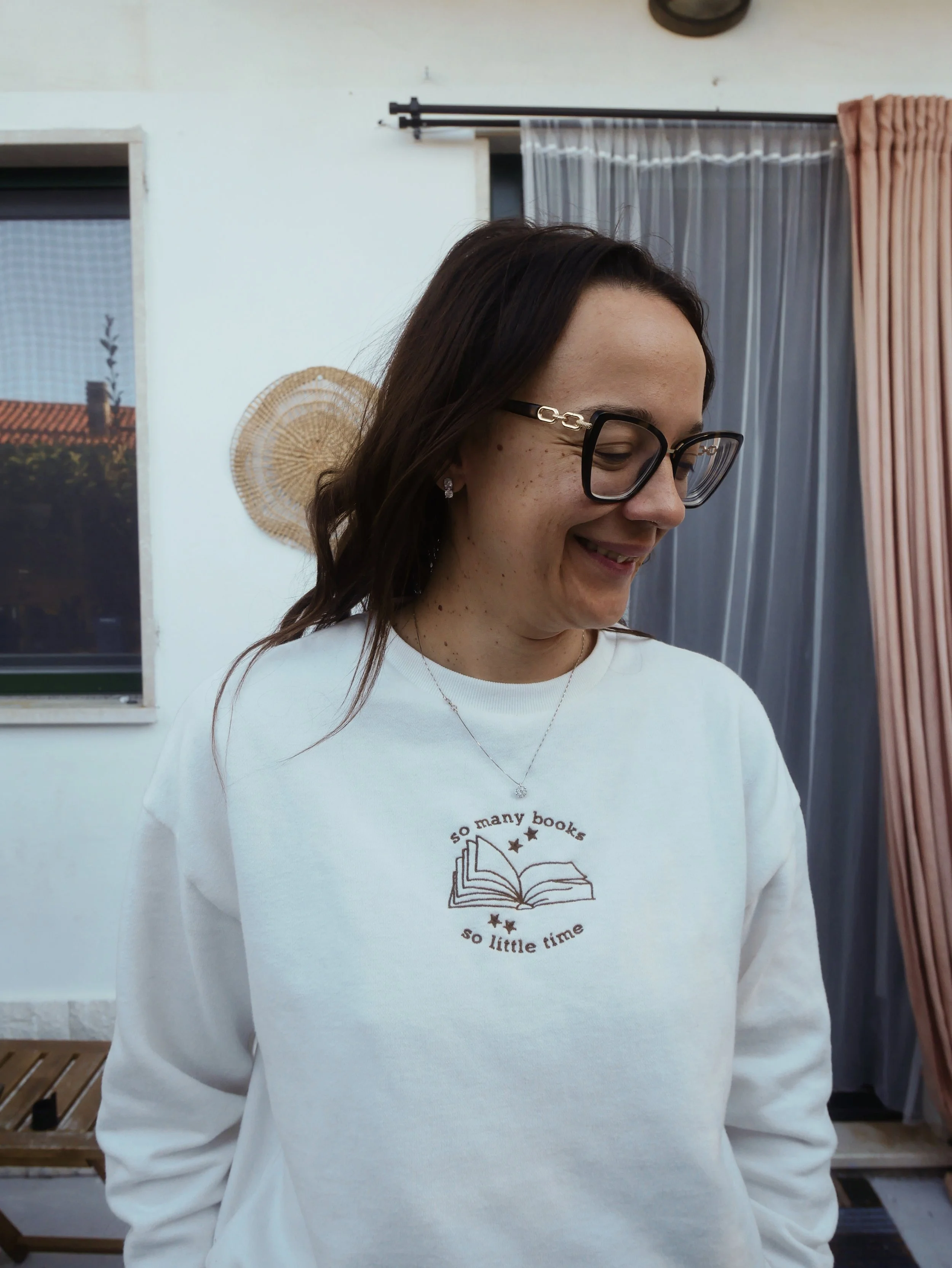
Elena Caliandro is a literature and classical studies teacher at a secondary school in Monfalcone, with a passion for the power of stories, language, and literature to connect people across cultures and experiences. A certified teacher of Italian as a second language (L2), she carries decades of experience working with students from diverse linguistic and cultural backgrounds. She is currently pursuing a PhD at the University of Nova Gorica, exploring the relationship between literature and borders, a theme that resonates with the history and identity of Monfalcone. Alongside her teaching and research, Elena contributes to many literary and cultural initiatives, creating opportunities for people to develop new perspectives, exchange ideas, and engage with the meaning-making processes through reading and dialogue. She leads Collettivo Onda’s book club, CORRENTI, and is teaching a travel literature course in partnership with Monfalcone’s University of the Third Age.
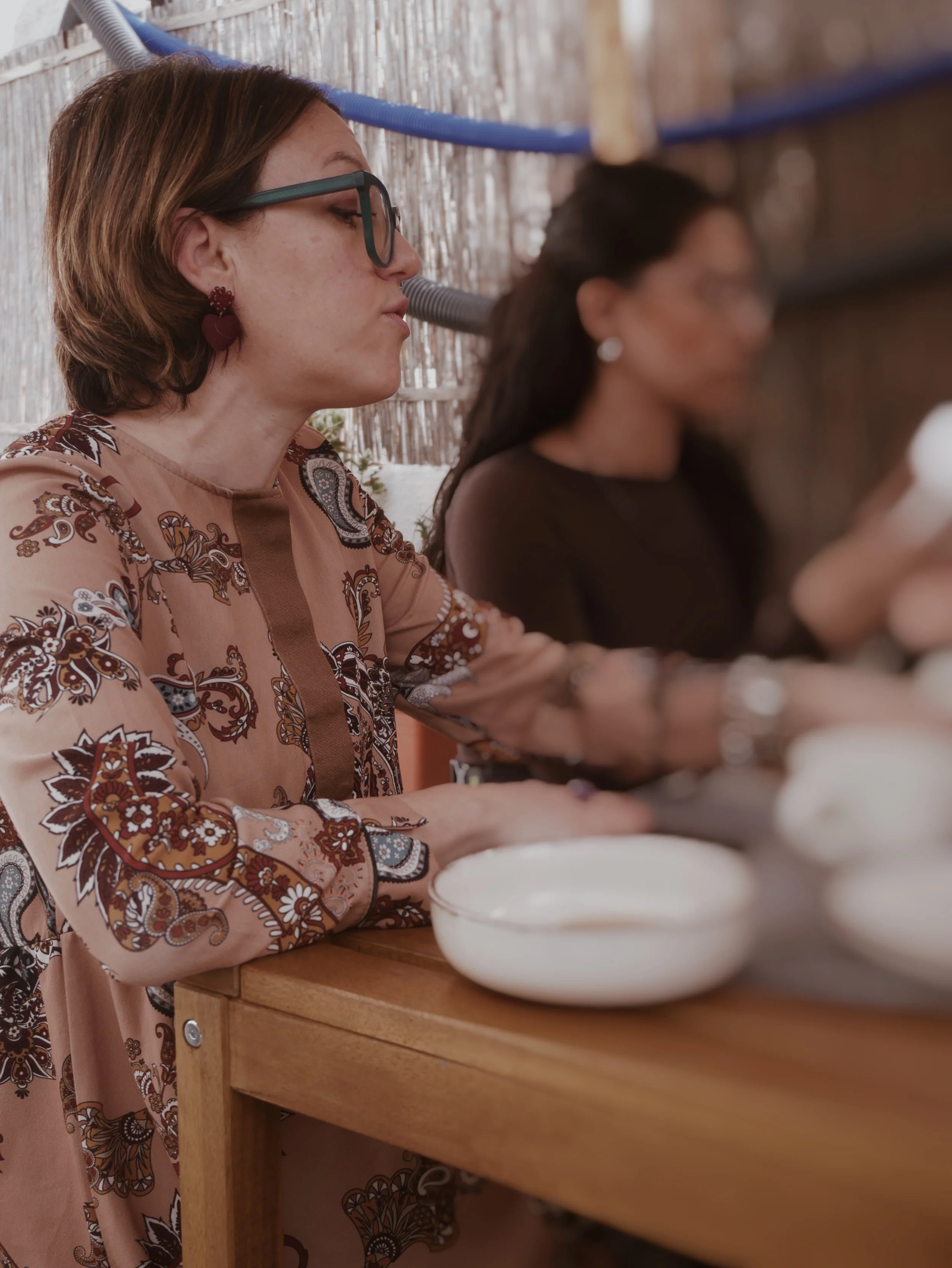
Ada Modena is a psychologist and artist whose work brings together mental health, creative expression, and social inclusion. Having moved to Monfalcone herself, she carries a lived experience of landing in a new place and longing for connection, community, and a sense of belonging. Over the years, she has collaborated closely with local schools and contributed to civic initiatives, including ISTAT research activities and social inclusion projects involving young people and migrant communities. Through illustration, collage, zine-making, and other creative practices, Ada explores how art can help people express their experiences, reflect on their identities, and connect with others. Her approach to community facilitation is anchored in curiosity, empathy, and the belief that creativity can open conversations that words alone sometimes cannot. Ada is leading our MICRO*ONDE workshops, with a focus on social cohesion, non-violent communication and civic dialogue.
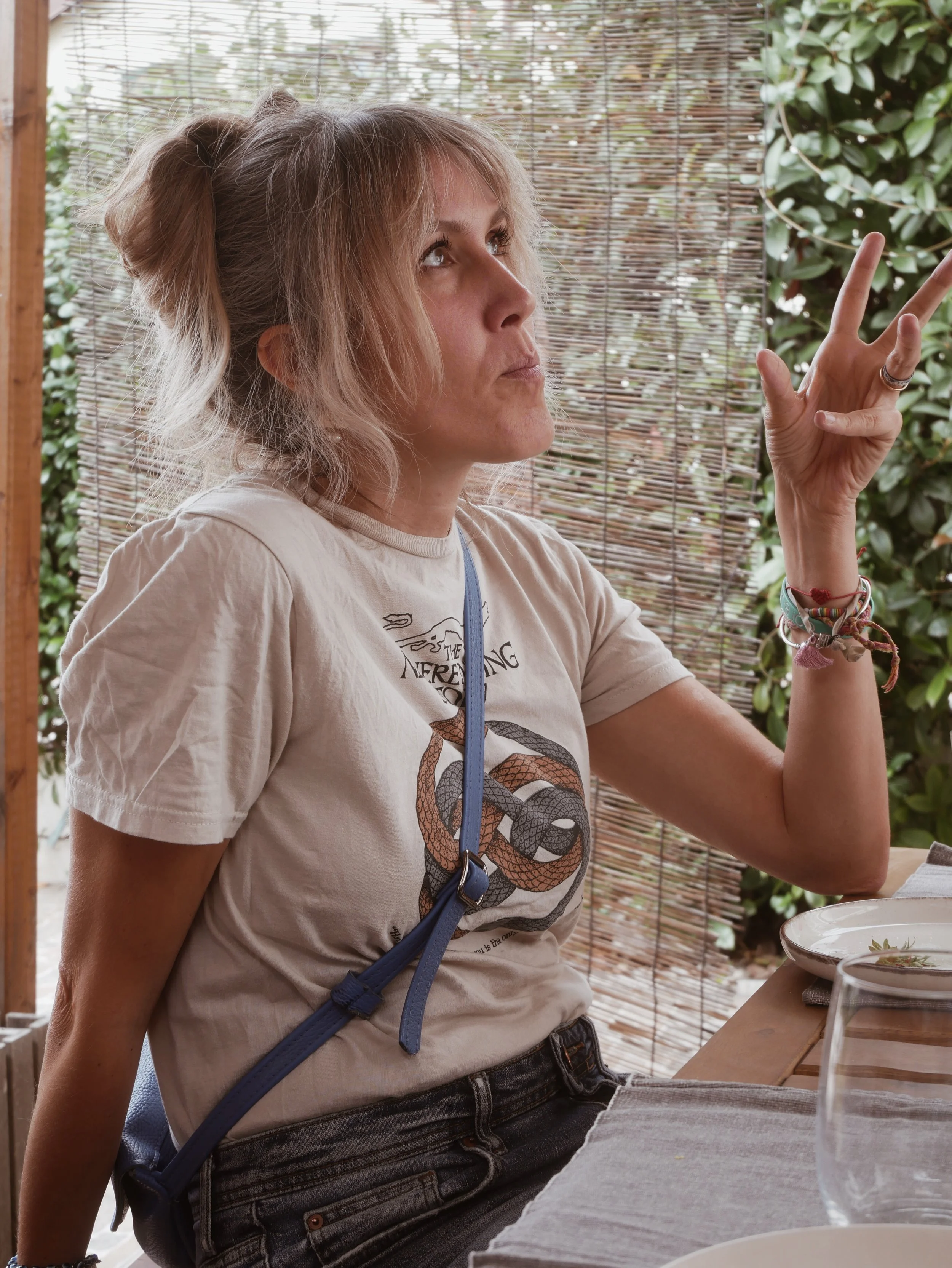
Alice Tentor is an educator, trainer, and community facilitator with a background in Psychological Sciences and a strong commitment to creating spaces for meaningful dialogue and collective participation. Her work combines research into community polarisation and dialogue strategies with years of hands-on experience in Italy's public mental health services. Drawing on her understanding of group dynamics, conflict, and community wellbeing, Alice designs creative and participatory methodologies that help people navigate differences, build trust, and find new ways of engaging with one another. She brings to Collettivo Onda a thoughtful, practice-based approach to facilitation, leading our Social Circles and MICRO*ONDE workshops.
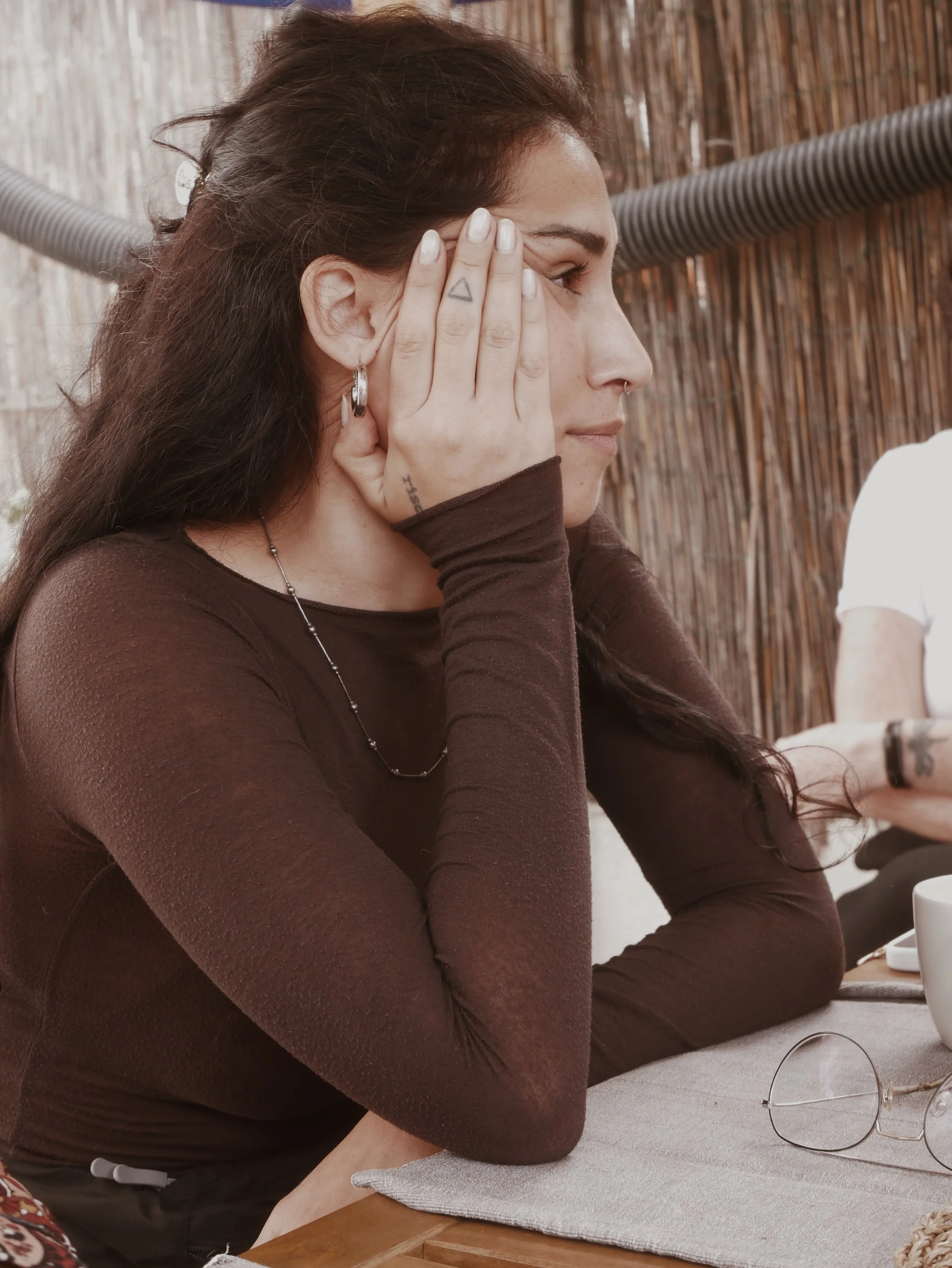
Sara Colautti is a community psychologist focusing on youth wellbeing, social inclusion, and the creation of supportive environments where students can feel heard and empowered. She has collaborated with local schools, providing psychological support and educational guidance to secondary school students as they navigate personal challenges, relationships, and life transitions. Her experience includes anti-bullying initiatives, social inclusion projects, and psychological support in oncology departments at local hospitals. Sara's work is guided by a commitment to care, listening, and strengthening the relationships that help people who are part of our communities thrive. At Collettivo Onda, she brings her experience in community psychology to creating resources and ideas for dialogue, connection, and mutual support, including our upcoming Community Wellbeing Toolkit.

What Drives their Commitment
What makes Beatrice, Alice, Elena, Sara and Ada invested in their community? Why do they care?
Their community activism is personal, it sprouts from a set of values that merge the collective good with their inner desire to belong, to connect with others, and to find spaces that speak about their own needs, interests, and aspirations. Even if their commitment translates into such, they aren’t pouring an intentional ambition of being activists or community leaders into what they do. Their effort is much less agenda-driven and more organic, responding to an experience of missing grounds. Their drive is inspired by the feeling that something can be created for them to exist in a local environment that they can call home, and the knowing that they can have a role in creating it.
"For years, I felt like an outsider in a place that didn't offer the initiatives I was looking for. So I thought: I'll create the things I'm looking for, the things that don't exist here"
Alice felt like an outsider living in a town with little to no opportunities for self development, culture and social connection. For many people, the decision to leave and move to other urban poles with much richer opportunities would have been the number one step. But she chose to stay and take the lead in building the offers she was hoping to get. With Studio Kalos, a community and wellbeing hub, she started to challenge the local attitude of close-mindedness and skepticism about activities such as psychological support, yoga, mindfulness and self-exploration and break through a wall of resistance to open the doors to new community channels and activities for local people to experience wellbeing together.
Ada was new to Monfalcone. Engaging with the local community was the only way to craft connections and an experience of belonging. She moved to Monfalcone without knowing anyone: facilitating community activities became a way of developing her own roots in a place she was only starting to call home.
It was the regular gatherings, the comfort of seeing returning faces, and the opportunity to build new relationships that transformed her relationship with the town over time. She talked about the importance of the reciprocal nature of community work: those who facilitate opportunities for others to connect are often seeking connection themselves. The difference between those who organise and those who participate becomes less of a separating line when everyone involved is contributing to the creation of a shared community experience.
What fuels their commitment, however, is not only the aspiration of crafting belonging, but also the possibility of creating something valuable to someone else's experience. They look at themselves in the eyes and all agree that the power of this work lies in how one conversation or an activity might help another person become more aware of themselves, reconsider a perspective, or feel differently about their place in the community. They nod, and perhaps smile with a little bittersweet feeling, acknowledging that, despite all the challenges, they choose to ground their work in the fact that these changes may be subtle and difficult to measure, but they plant seeds for meaningful outcomes across those who gravitate around them.
This work is about resilience, they said. And with that comes the necessary process of coming to terms with what success looks like.
Organising community activities means embracing uncertainty: sometimes twenty people show up at one event, sometimes only three. Participation has no formula, at least not in Monfalcone, and much of the willingness for local residents to show up depends on circumstances that are beyond their control, particularly in a context where people may be reluctant to step outside familiar social circles.
“At one activity, only three people showed up. We could have said: what a shame, we failed. But the reality is that, in this context, bringing even three people together is already a success”
This shift in perspective has become essential to their motivation. If their drive was built on attendance rates and volume of crowds, they would have stopped doing this work a long time ago, they all agreed. Measuring “results” requires a different mindset, much more adapted to the reality of a highly desertified community context. They have adjusted their framework of measurement to value the significance of continuity, trust, and individual experiences over individual events’ performances based on number of participants. What they know is that a person coming back to a second event, someone feeling comfortable enough to share a personal story, or a new relationship created between previously unconnected members is what change truly looks like, here.
What it Means to be Women Activists at the Frontline
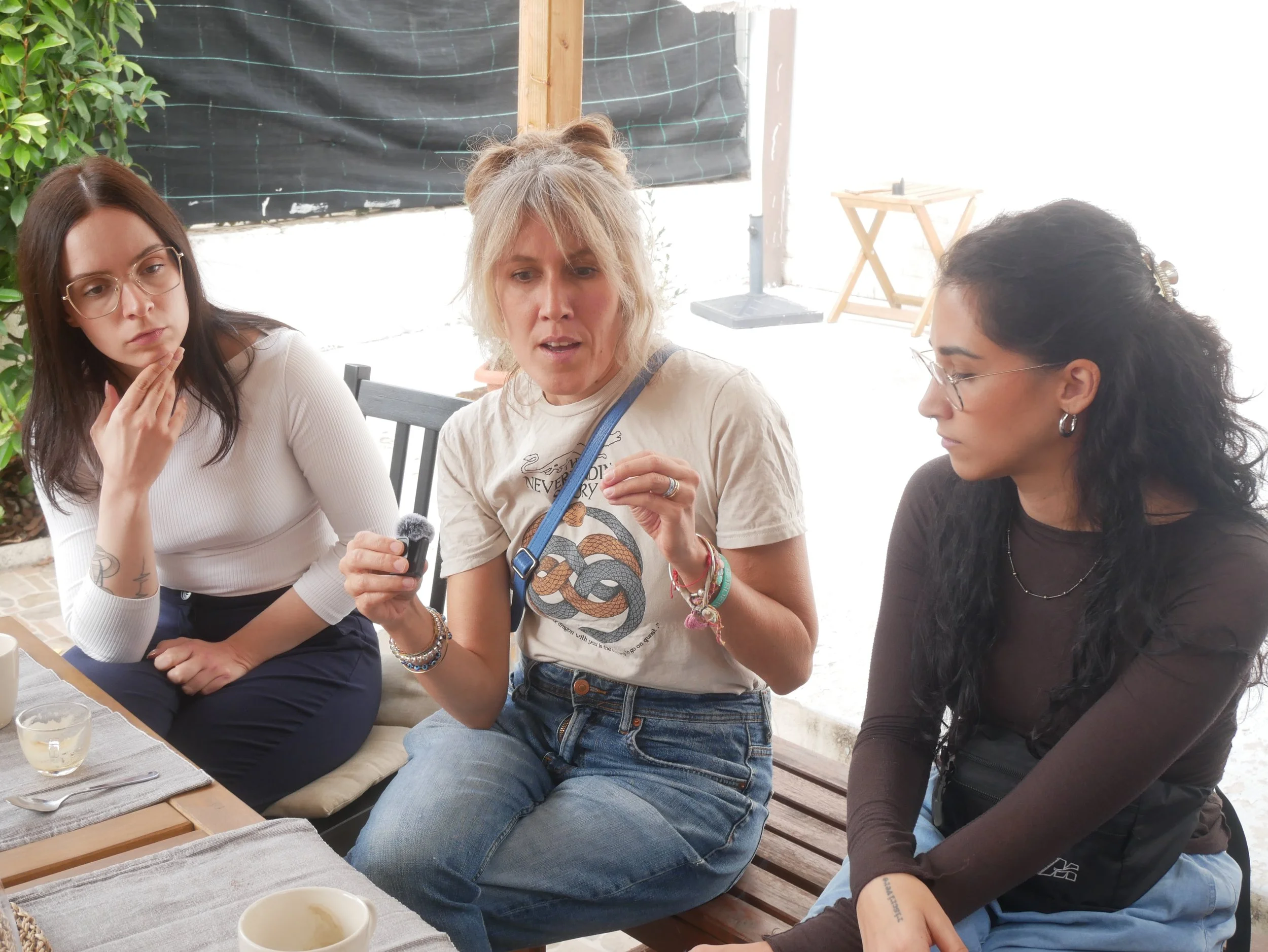
When I asked the group about their experience in relation to gender, the intersectional dimension emerged in no time.
Being a woman engaged in community activism does not have a linear, monodimensional meaning.
There is a specific situated dimension in doing this work in such a context, one in which gender intersects with asymmetric perception of values linked to specific age, professional experience, family status, and the social expectations attached to different forms of identities and work done.
Sara referred to gender as a significant factor in how her contributions are recognised. Despite gender equality being improved compared to decades ago, she shares how episodes of differential treatments within working and institutional contexts are still happening.
“In today’s times, discrimination against women or biased attitudes against them can only be considered as signs of ignorance”
Most of the facilitators pointed at their age as a more present barrier. What emerges from their reflections is a nuanced picture of how credibility, authority, and leadership are negotiated within local communities.
In this sense, there seems to be a compounded effect between the experience of being a woman and being young. In a context where the majority of the population is above 60 and political as well as community leadership has been almost always held by local white middle aged men, the identity of a (relatively) young woman seems to build a contrast to what is perceived as the “normal” community focal point.
Sara and Alice shared their experience facing local actors with age as being associated with lack of experience or preparation, regardless of their actual qualifications. They talked about the pressure of having to continuously demonstrate competence and reliability, particularly when entering spaces where more older and established figures have occupied positions of influence for many years.
“Age is mistaken for incompetence, for not being sufficiently prepared. You always have to double, if not triple prove that you're competent, capable, and reliable”
Beatrice shares about her experience of double standards in social roles and engagement, highlighting the different experiences she had when she was operating in social sectors versus when she was holding leadership positions at decision-making tables.
“As long as we're talking about unpaid care work, community volunteering, activism without resources, you don't necessarily feel the gender issue. It's different when you put yourself in a leadership position”
She highlights a trend whereas, within professions and activities traditionally associated with care and interpersonal relationships, women may already be perceived as legitimate actors.
She said that women's involvement in activities associated with care, solidarity, and volunteering are perceived as more socially accepted, even celebrated, while their participation in spaces of decision-making and institutional influence are often met with resistance. She recalls many times where she found herself as the only woman at decision-making tables, including within civil society organisations and political activist groups. In these settings, she said she received subtle and less subtle pushbacks from male or older counterparts, and consistently had to work harder to be recognised not as someone contributing to a cause, but as someone with power and competence to shape its development.
“When you start moving up, when you start asserting yourself, that's when you begin to feel that you're becoming a nuisance. If I were a man, this would probably be much less pronounced”
Ada brought up another experience: when she found herself working with elderly groups, they welcomed her contribution and valued the new skills and perspectives she brought. Removed from public or institutional responsibilities, and power dynamics often emerging within those contexts, and situated in a space promoting a much more community-based reciprocal bonding, intergenerational relationships became enriching exchanges, instead of reinforcing existing hierarchies, and created opportunities for mutual learning and recognition.
Motherhood quickly came up as another dimension affecting women’s experience of being perceived as professionally credible. Despite years of experience in the same workplace, Ada recalls being told that she would not have been hired had her pregnancy been known. Her experience confirms how gendered expectations can boycott formal leadership roles, shaping assumptions about women's reliability, availability, and professional commitment.
What Should Be Different to Make a Difference
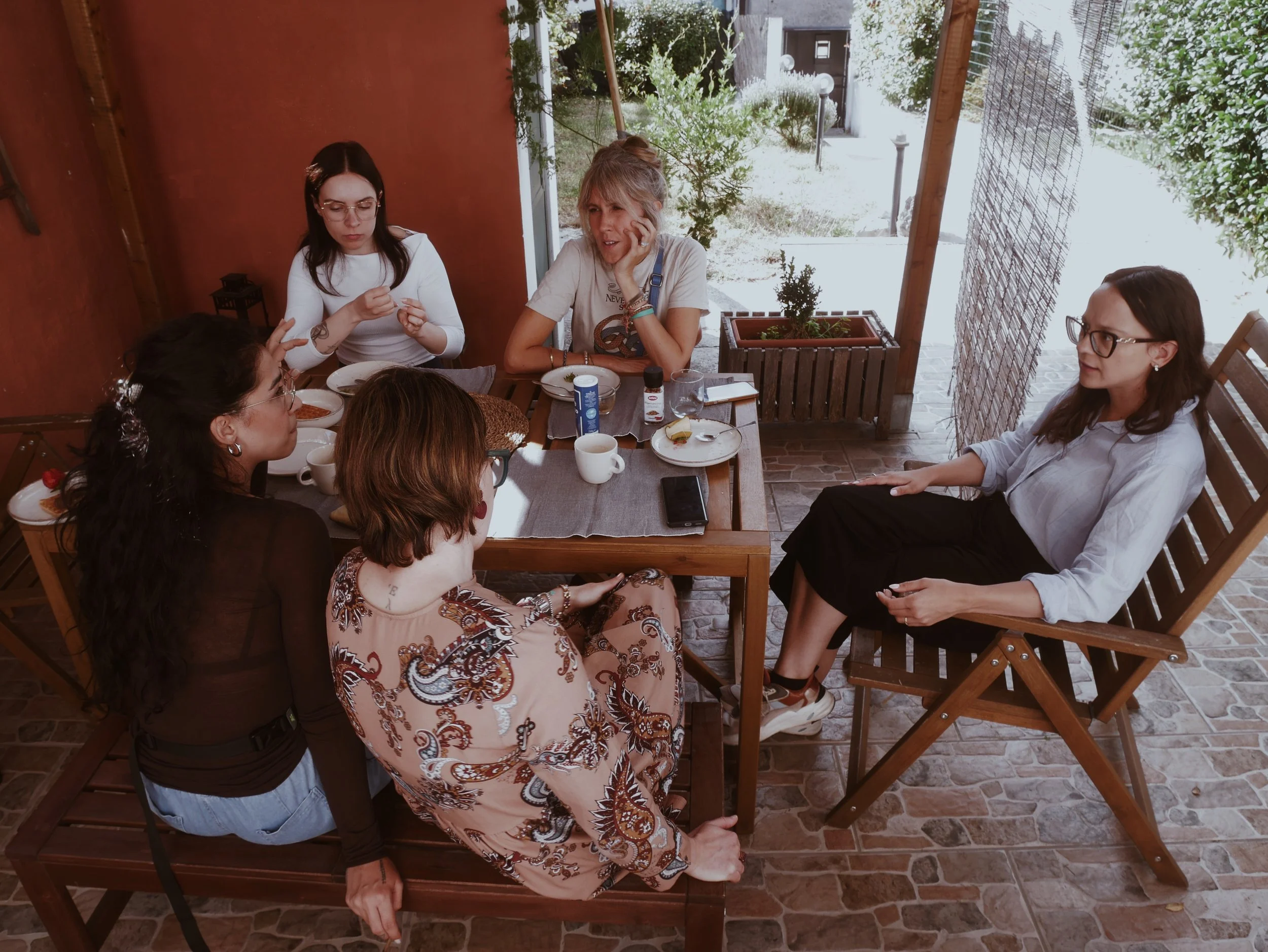
Creating opportunities for community participation is far more complex than organising activities and inviting people to join. Much of Collettivo Onda’s facilitators work happens behind the scenes, from strategising to experimenting, from guessing to testing: identifying needs, reaching out to individuals, overcoming mistrust, and curating relationships that engineer participation from a place of relatability and trust.
In Monfalcone, the context shows a social environment where people’s attitude for inhabiting the collective space has consistently eroded over the last ten to fifteen years. We’re in front of a desertifying community area, in which residents tend to remain within private, informal and highly familiar circles, hesitating to engage with people or experiences they don’t know enough about, they said. This reluctance is not necessarily a lack of interest in community life. It is likely to reflect skepticism, fear of exposure, uncertainty about what participation might require, or the lack of established relationships through which to enter a new space.
Alice, tapping into her experience of community wellbeing activities, emphasised that the most difficult part of her work is often the first entry point. Once people have made a first experience of a welcoming environment, they understand that it responds to a need they had not previously recognised. This became particularly clear through the Cerchi Sociali, community sharing circles that initially seemed unlikely to attract local community members, but eventually developed continuity as people kept showing up.
“Creating an atmosphere of safety where people feel free to express themselves, or even not to, simply to participate in silence, is fundamental”
This understanding of participation challenges the assumption that community engagement should always be visible, vocal, or immediately active. In challenging contexts like Monfalcone, the first step is creating the conditions for people to feel comfortable enough to be present, to relate with the objective of the activity, to leverage existing relationships and networks, and awaken a genuine interest in the activity or topic proposed.
In this sense, Collettivo Onda’s facilitators reinforced the importance of developing ways of lowering accessibility and understanding barriers. Existing relationships and personal invitations can make unfamiliar spaces more approachable. Organising activities in places residents already know, such as youth centres, bookshops, or cafés, can reduce the uncertainty associated with showing up. Regular schedules also allow relationships to develop over time, creating familiarity and trust.
Yet they recognise that relying exclusively on existing social networks risks excluding those who have fewer connections, including people who have recently moved to the town or arrived through migration. They are very much aware about how community engagement requires both building on existing relationships and creating new pathways for those who may still be one or more steps outside them.
Sara makes a great point about the need to challenge assumptions and adopt a human-centered approach to designing initiatives. It’s risky for community organisers to assume that a community needs a particular activity or will recognise its value. In this sense, two trends become strategic: experimentation and listening. Openness to understanding local priorities, and adapting initiatives to people's actual experiences, running pilot offerings and iterating these based on response and feedback is the safest and most adaptive way to work with the community, not top-down for them.
But even when these approaches work, sustaining them is never not challenging.
“To keep going over time, you need resources: motivation, time, and money. You need to be able to dedicate your energy to it. Goodwill alone isn't always enough”
The work is often carried on with high reliance on voluntary commitment. This is not sustainable in the long term and won’t contribute to establishing more solid grounds for civil society engagement to flourish and bring results. Activities require preparation, communication, facilitation, coordination, and follow-up. Yet, accessing funding can be particularly difficult for small or emerging initiatives that aren’t yet able to prove established institutional relationships, administrative capacity, or a good track record.
In the local context, unequal access to networks and opportunities is a significant obstacle. Competence alone does not always determine who receives support or recognition; personal relationships and existing connections can influence which organisations gain access to funding and institutional collaboration.
Collectively, their conversations move towards another sensitive, politically charged challenge: the relationship between civil society initiatives and local institutions.
Drawing on their experience in other contexts, the facilitators make a point on how cooperation between municipal services, social and healthcare providers, and civil society organisations can help identify shared needs, pool resources, and create more effective responses for residents.
In Monfalcone, however, this cooperation struggles to function: local organisations and public services often work in silo, with limited coordination and few opportunities for effective synergies. When local institutions fail to consistently facilitate inclusive local opportunities for participation, they risk becoming an additional source of burden and frustration, particularly when political polarisation, fragmented services, and limited cooperation undermine constructive dialogue.
“You end up doing twice the work: one part with the people, and another with the very institutions that should be mediating between communities and civil society”
The lack of coordination between organisations and services active within the same territory. Initiatives is another area of improvement in the local democracy renewal effort. Organisations and groups with similar objectives often work independently, no one really has enough capacity to build synergistic infrastructures of platform for cooperations, creating missing opportunities to share resources, reach new participants, and create stronger collective responses.
Elena raised a point about the importance of the role played by schools, teachers and educational experiences at local level. She talked about structures and processes within the education system, sharing her experience navigating increasingly bureaucratic barriers that challenge teachers’ ability to respond to students’ needs more freely, organically inside the classrooms, or to create more innovative educational offers that could facilitate conversations and learnings on much more contemporary themes.
Another dimension she highlights is the relationship with internal and external stakeholders within educational institutes, namely how actors external to schools, such as parents, but also at times political figures, play a much more influencing role in decisions and strategic directions on the educational offering.
“The situation within the school system is becoming more and more difficult to navigate and sustain for teachers, especially due to increasing regulations, administrative policies and external interferences on decisions around curriculum and educational activities”
What Gives them Hope
Before we wrapped up the day, I asked one last question. What gives you hope? What makes you continue believing this work is working, this work is possible here?
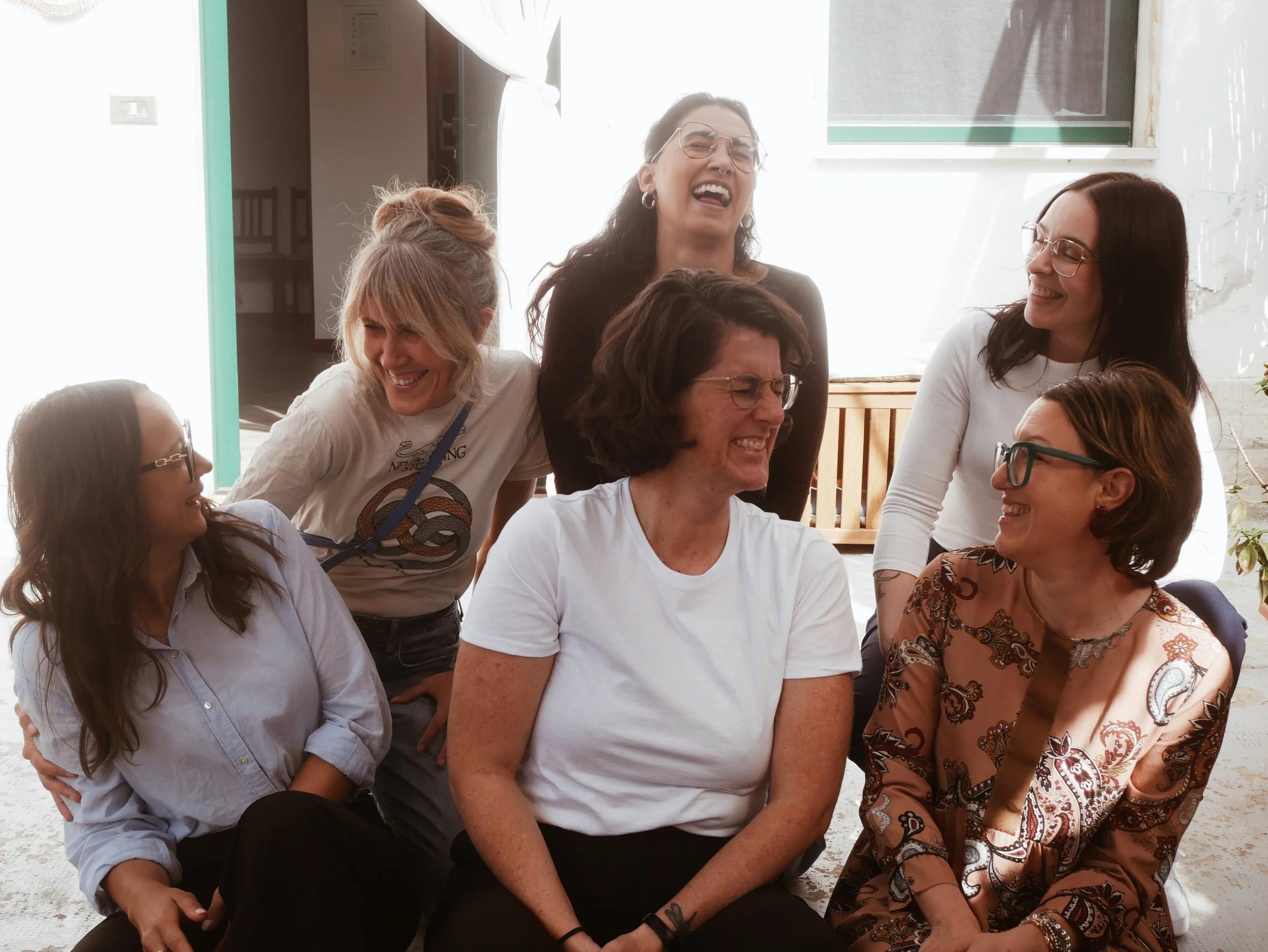
Despite the ups and downs, these incredible women of Collettivo Onda don’t lose their belief in people's capacity to connect, participate, and create change together. It’s not the expectation that communities will transform overnight, nor that every initiative will succeed to fuel their hope. Hope is in the knowing that small waves of progress, small steps towards a re-engaged collectivity, and one person at the time choosing to show up beyond skepticism will make a difference, in the long run.
“What gives me hope is seeing a need emerge that perhaps wasn't there before, or wasn't perceived. Seeing change happening gives me hope”
Despite social fragmentation, mistrust, and the barriers that discourage people from blending themselves into unfamiliar spaces, Collettivo Onda’s facilitators believe that people still hold a genuine desire to connect with one another, and they see their role as being the one of unlocking this desire and making it possible for people to fulfill it instead of escaping it.
“I remain quite optimistic that people are generally good, that they enjoy coming together. We are social beings, despite all the obstacles”
Hope also comes from observing how change generates further change. An activity can influence one person's perspective, encourage someone to return, or inspire another initiative. The effects are not always immediate or predictable, but they can extend beyond the first trials. A movement is already being created in Monfalcone. It is slow, but steady. It will take time to fully unfold into concrete results, but we are here to move the pieces, and lead small waves forward, they said.
“Even something very small that we've managed to do can have an effect, and then generate others in a ripple effect”
This belief in the cumulative value of small actions was present throughout the interviews. It was reflected in the decision to keep committing to local activities despite unknown turnarounds, to continue adapting formats when something wasn’t playing out as expected, and to recognise progress even when it fell short of initial wished outcomes.
Lastly, Beatrice boldly affirmed that it’s women and groups like Collettivo Onda who instill hope in herself and her work. She unapologetically stated that the future of community and democracy is in the hands of women and folks who don’t stop caring, who don’t stop in front of all the systemic barriers, from patriarchy to far-right rising, but keep leading work that benefits people across all angles of the society.
Perhaps most importantly, these women’s hope is rooted in the power of civic agency. They have experienced what it means to feel disconnected from a place, to meet resistance, or to struggle for recognition. But they have also discovered that, no matter the hurdles and the roadblocks, their commitments to contributing to changing those conditions is truly what’s moving the needle for better local futures.